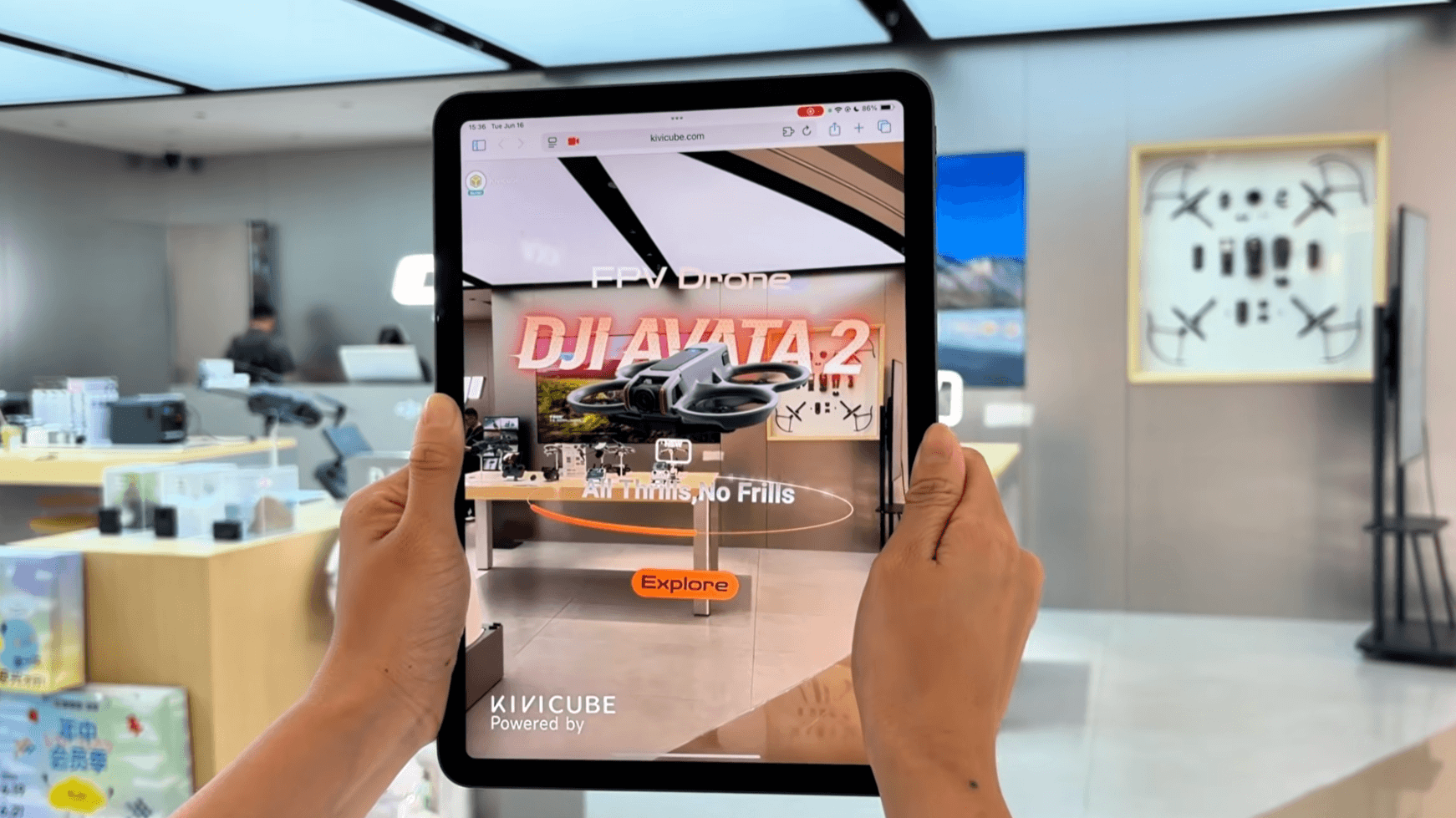
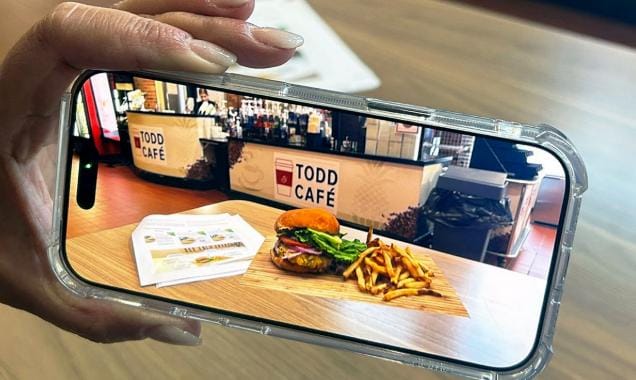
Gen AI for Augmented Reality: How to Build Immersive Experiences Without Coding
Generative AI's remarkable growth has revolutionized creative workflows across nearly every industry, prompting advertisers, educators, artists and creators alike to ask themselves: are there AI-powered tools available that make AR creation faster and more accessible for all?
This guide explores how Generative AI (Gen AI) works with AI-powered AR to break through technical barriers. Additionally, this document walks you through creating professional AR content from scratch with no-code generators and without prior coding or design experience being necessary.
Defining the Future: Gen AI vs. AI Augmented Reality
To grasp the full potential, it’s critical to distinguish these two connected yet distinct technologies:
Generative AI (Gen AI)A content creation engine that generates original text, imagery and high-quality 3D assets from simple user prompts. It acts as the creative production factory for modern AR.
AI Augmented Reality (AI AR)The integration of multiple AI capabilities — including Gen AI, computer vision and machine learning — within an AR environment. It allows digital content to intelligently blend, adapt and interact with the physical world in real time.
Put simply: Gen AI supplies the creative fuel, while AI AR delivers the interactive experience to end users. Combined, they bridge the historic content gap that has long made AR development slow, costly and resource-heavy.
Why AI Is a Game-Changer for AR Creation
Traditional AR development relied on dedicated developer teams skilled in JavaScript and WebGL, plus professional 3D artists using Blender or Maya. Gen AI has completely shifted this paradigm in three key ways:
1. Automated 3D Content Generation
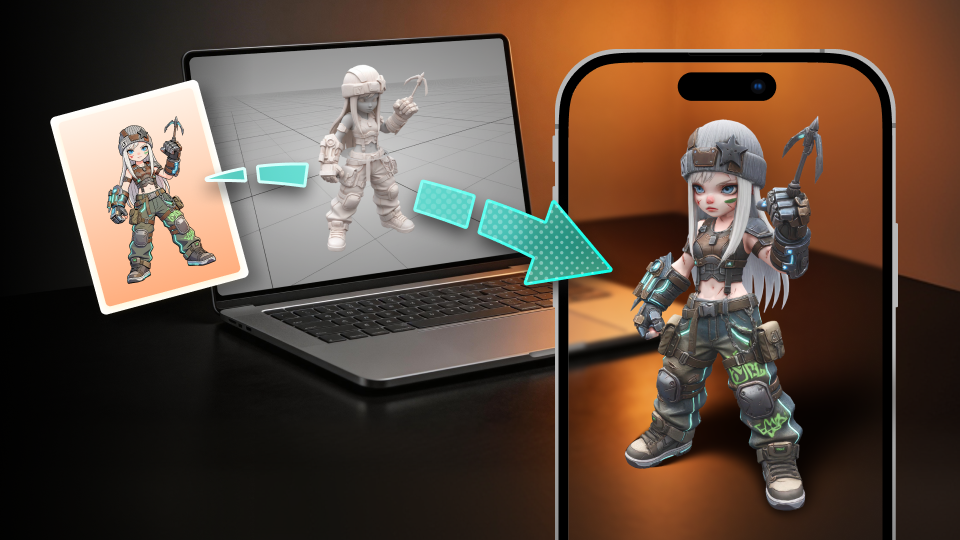
3D modeling has always been the biggest bottleneck in AR production. Today, Gen AI can turn simple text prompts or ordinary 2D product images into AR-ready 3D assets in seconds. Industry insights show AI-driven workflows can cut content production time by up to 90%.
2. Intelligent Personalization & User Engagement
AI-powered AR goes far beyond static digital overlays. It adapts and responds to user behavior — from conversational AI digital humans for education, to personalized product recommendations within retail AR scenarios. This is what makes modern AR truly intelligent and immersive.
3. Lower Costs and Higher ROI
Shopify industry data shows products with 3D/AR content achieve 94% higher conversion rates than standard product pages. With Gen AI no-code generators, brands can unlock this performance without the high costs of traditional 3D design and development teams.
Kivicube: Your No-Code Gateway to Gen AI AR
Kivicube AR Platform| Unlock infinite potential for AI AR Creation
Kivicube is a leading WebAR creation platform built for Gen AI-powered experiences. It enables creators to launch app-free, browser-based AR content — absolutely no coding required.
Core Capabilities of Kivi AI
- AI Image Generator: Create original 2D visuals from text prompts or refine existing images, then convert these static graphics into interactive 3D AR scenes with one click — preserving visual fidelity while adding spatial depth and interactivity.
- AI Video Generator: Create AR-compatible video assets or convert standard videos into interactive AR overlays/backgrounds, enabling dynamic, moving content within your AR experiences.
- AI 3D Model Generator: Generate high-fidelity 3D models instantly from descriptive text prompts or image.
- AR Interaction Generator (Coming Soon): Build complex AR interactions — such as customized UI interface and complex interactions all.
Ready to witness how Kivicube transforms AI prompts into production-ready AR experiences? Join us as we demonstrate our AI to 3D to AR workflow, where we create fully interactive WebAR projects in minutes - without needing code!
Kivicube Tutorial | Learn how to generate AR experiences quickly
Step-by-Step: Create Your First AI AR Project
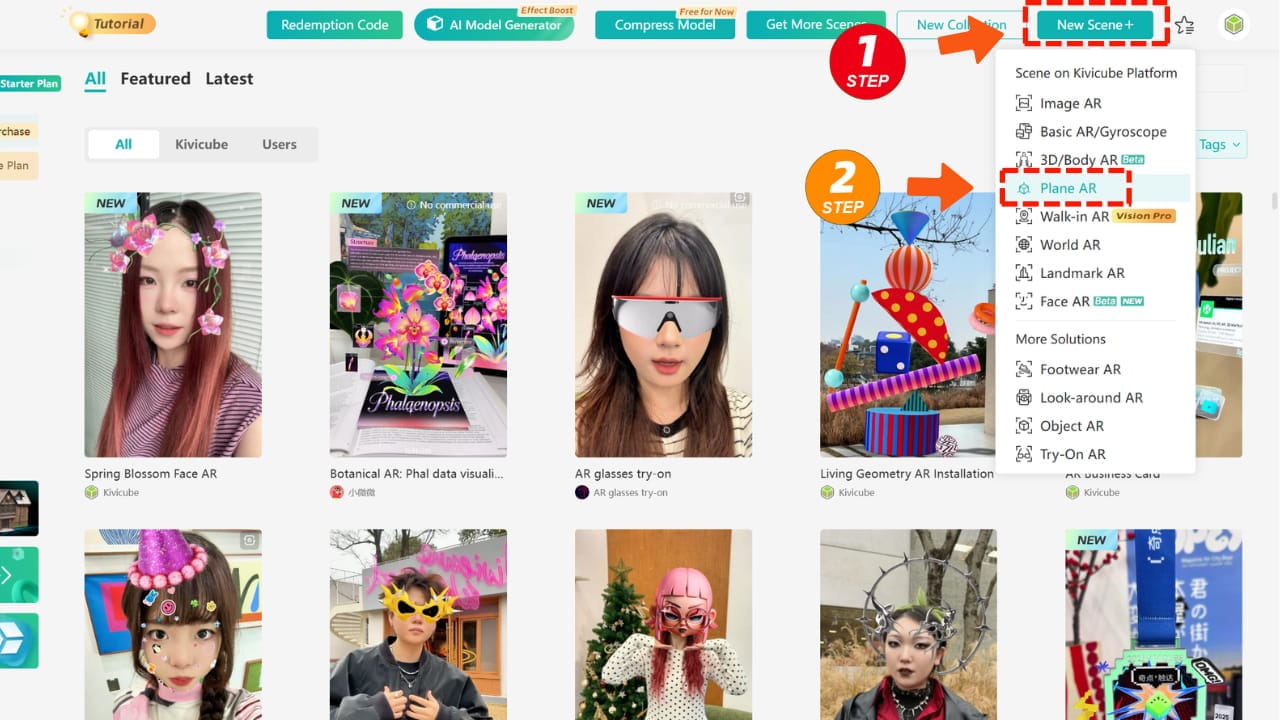
- Log into your Kivicube account and create a new Plane AR scene.
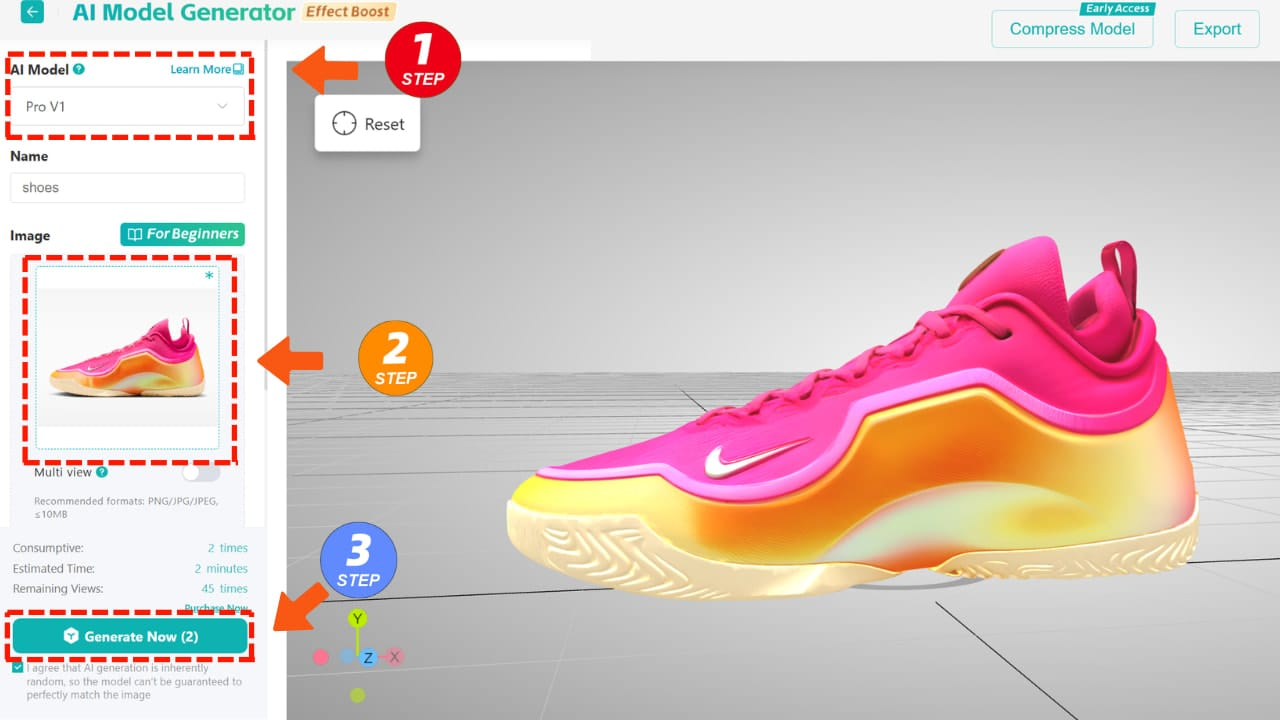
- Generate assets via Kivi AI: input a text prompt or upload a 2D image to produce ready-to-use 3D models and textures.
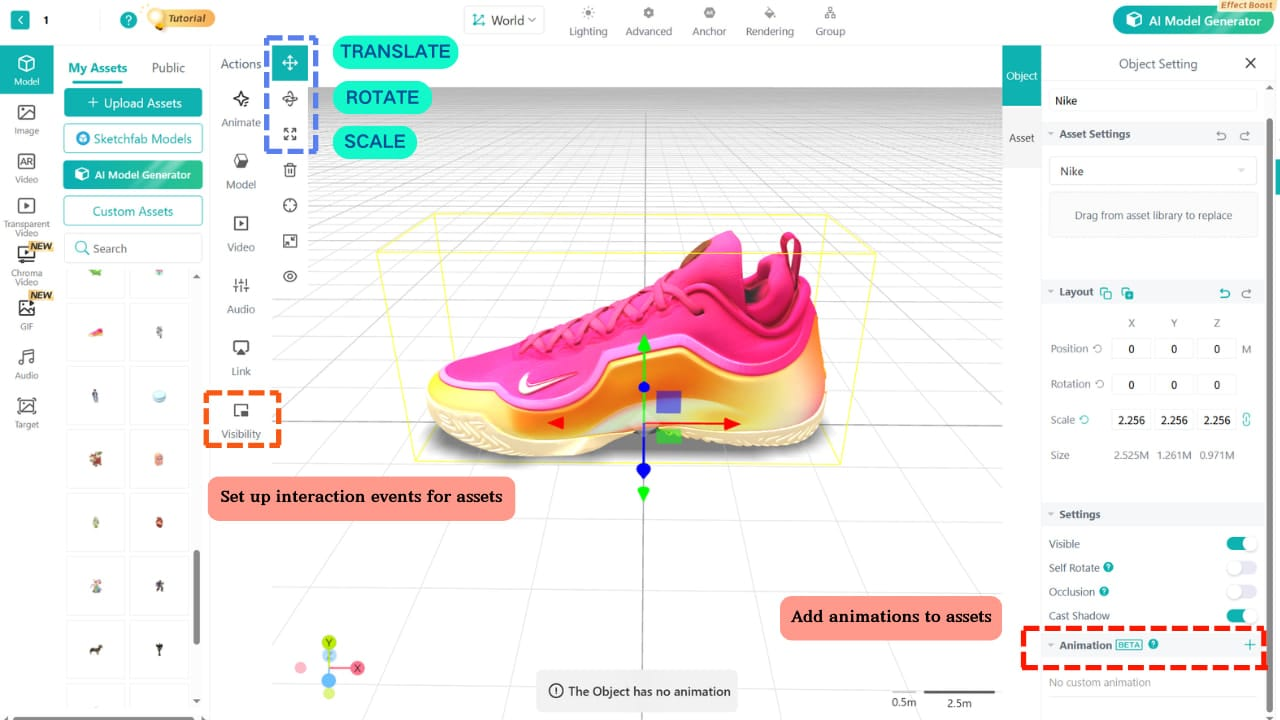
- Customize with the drag-and-drop editor: adjust model size, position, and add interactive hotspots or action buttons.
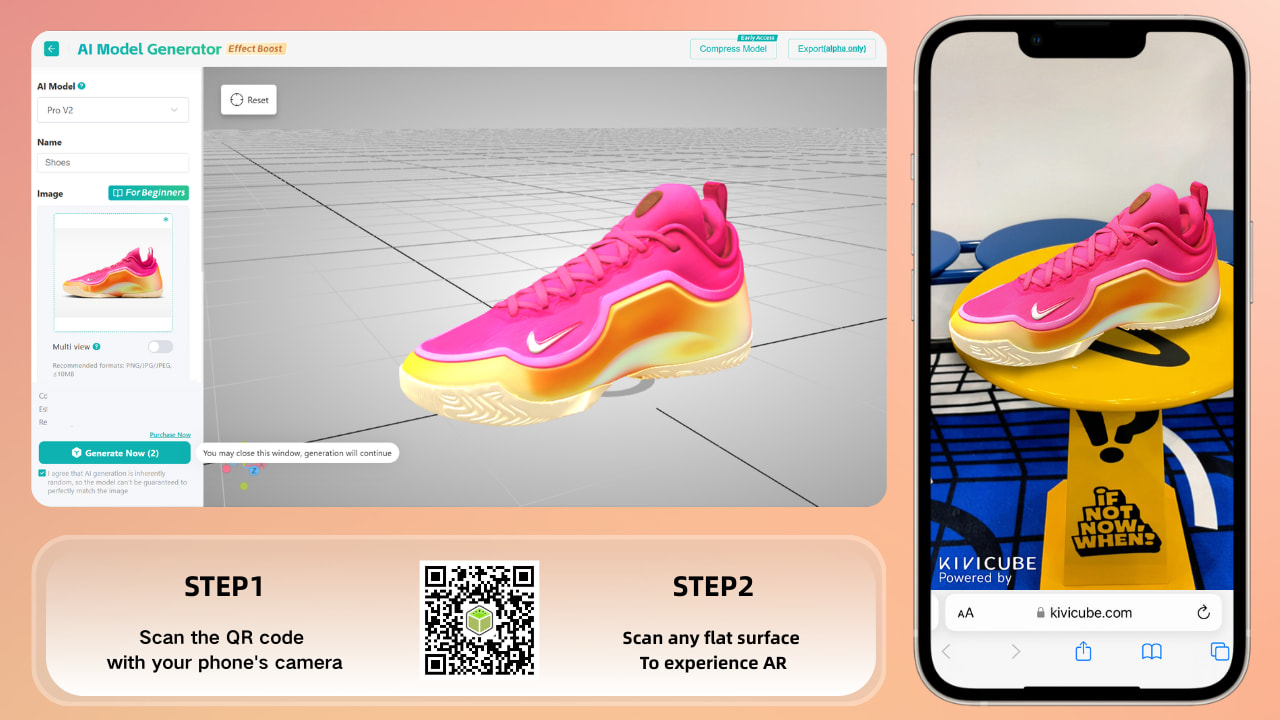
- Preview instantly by scanning the QR code, then publish to get a shareable link that works on any mobile browser — no app download needed.
Real-World Impact: Industry Use Cases
Case 1: AR Creation for Artists
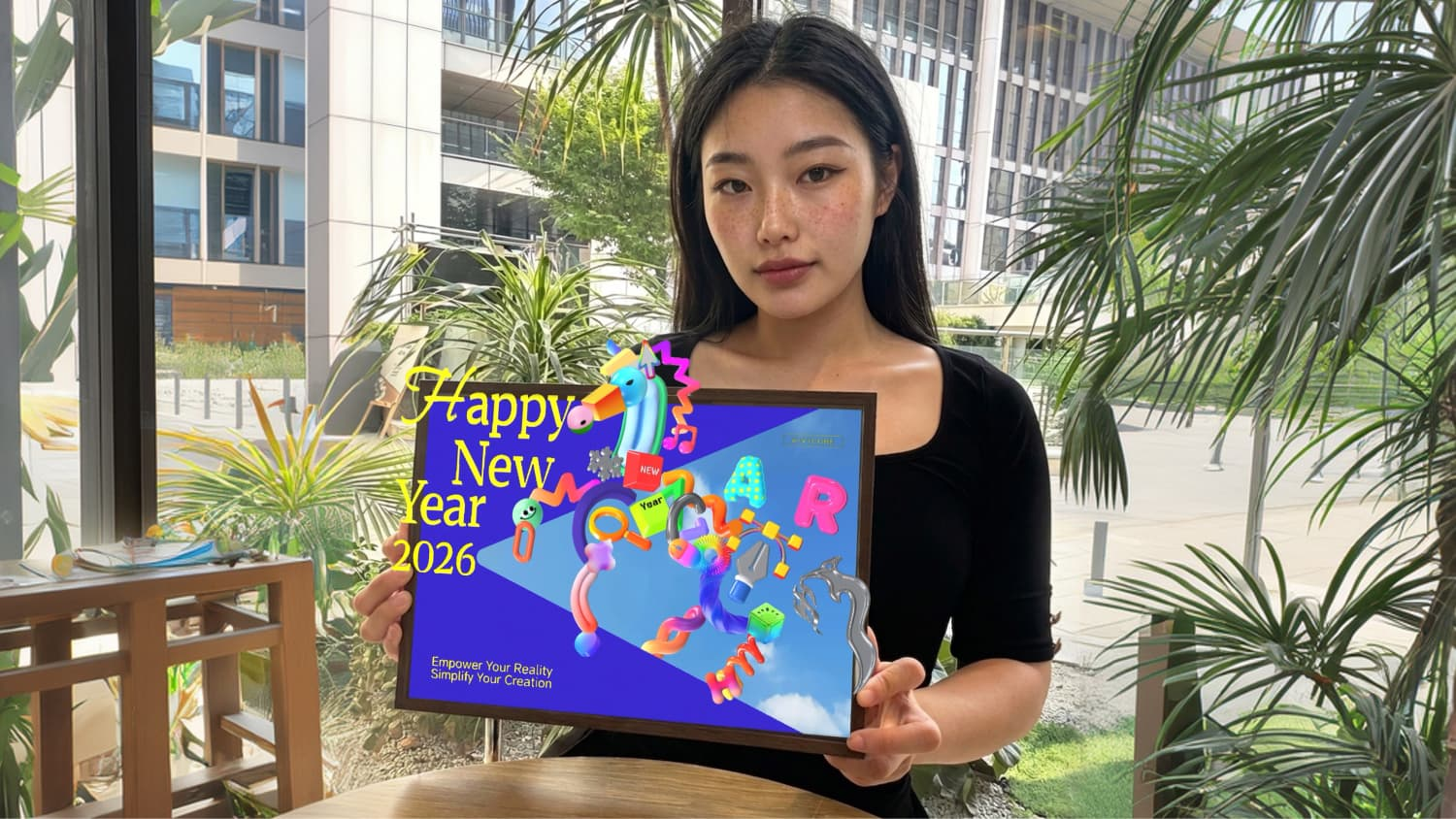
French artist Ann Lin leveraged Kivicube’s Gen AI toolkit to bring her 2D illustrations to life.
She converted static graphic elements into layered 3D objects, building an immersive gallery AR experience that boosted visitor engagement and social media sharing.
Curious to learn more about how Ann Lin used Kivicube’s AI augmented reality features to accelerate her AR creation process?Explore her full journey in this detailed use case:
 Leonie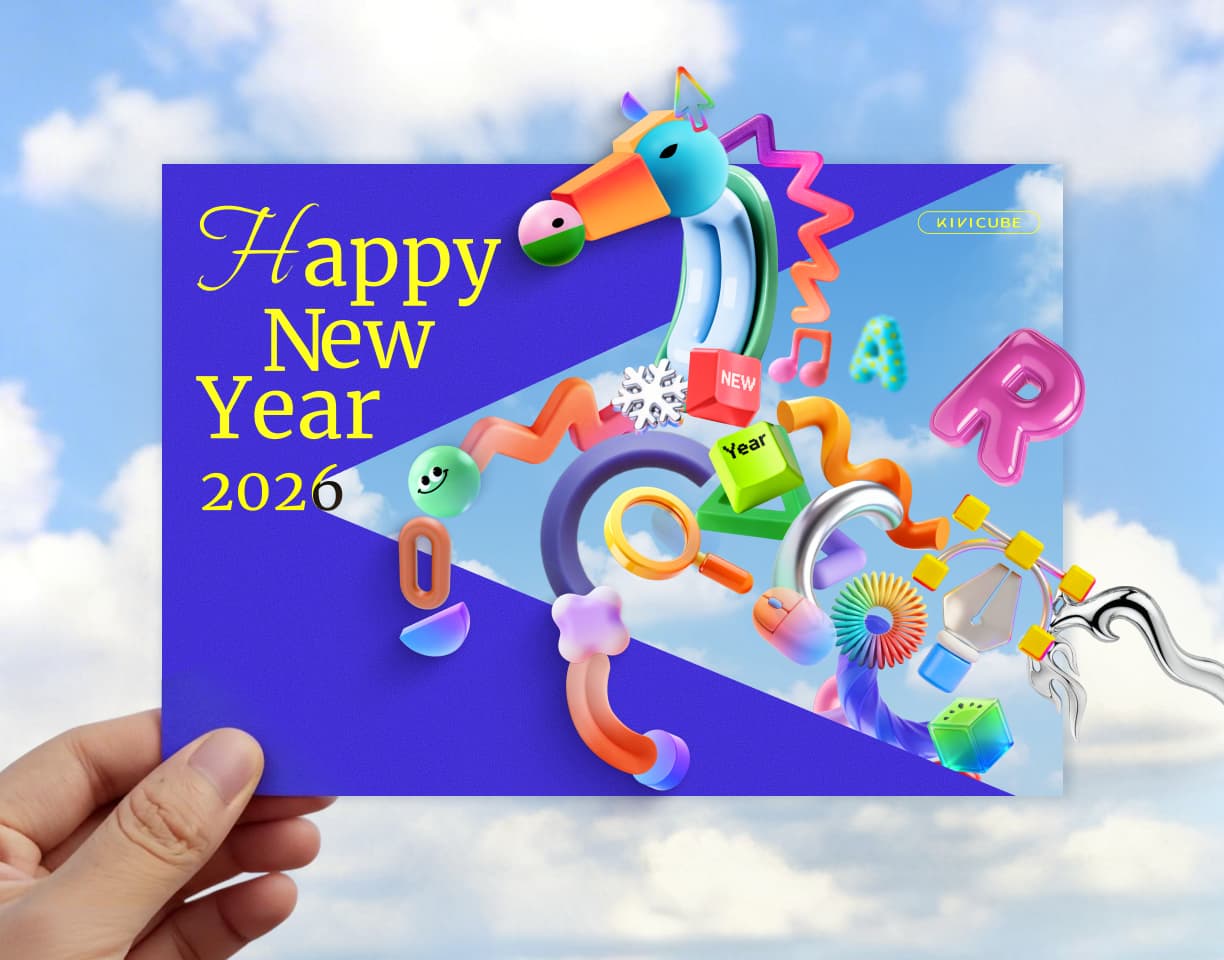
Breaking the Limits of Static Art: How Ann Lin Used AR to Bring Her Work to Life
Case 2: Interactive Immersive Education
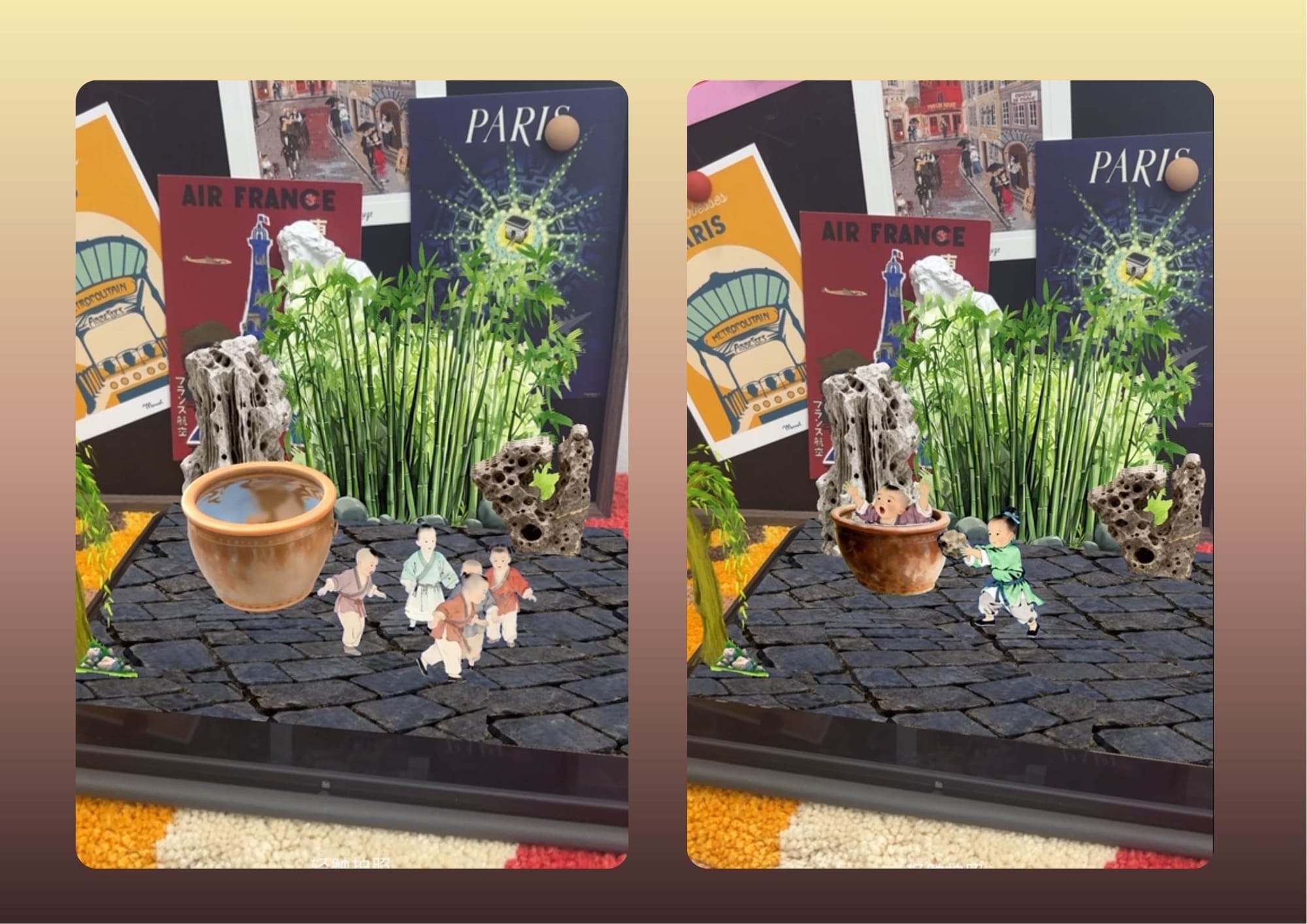
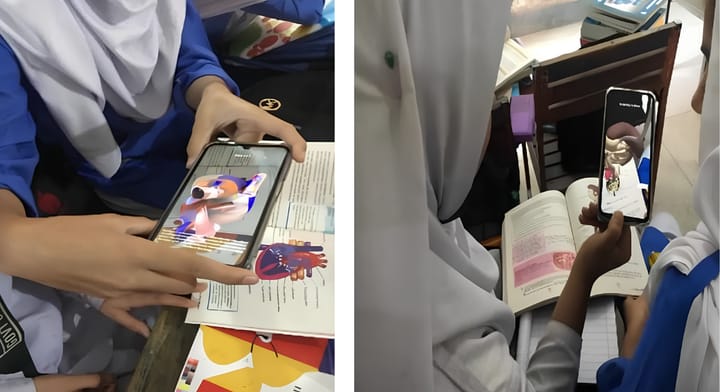
Educators now use Kivi AI to generate lifelike 3D historical scenes and biological simulation models.
This transforms passive textbook learning into active immersive exploration, greatly improving students’ understanding and knowledge retention.
If you’re an educator looking to bring AI-powered AR into your classroom, this beginner-friendly tutorial walks you through exactly how to turn any book into interactive AR learning experiences — no code required.
 Leonie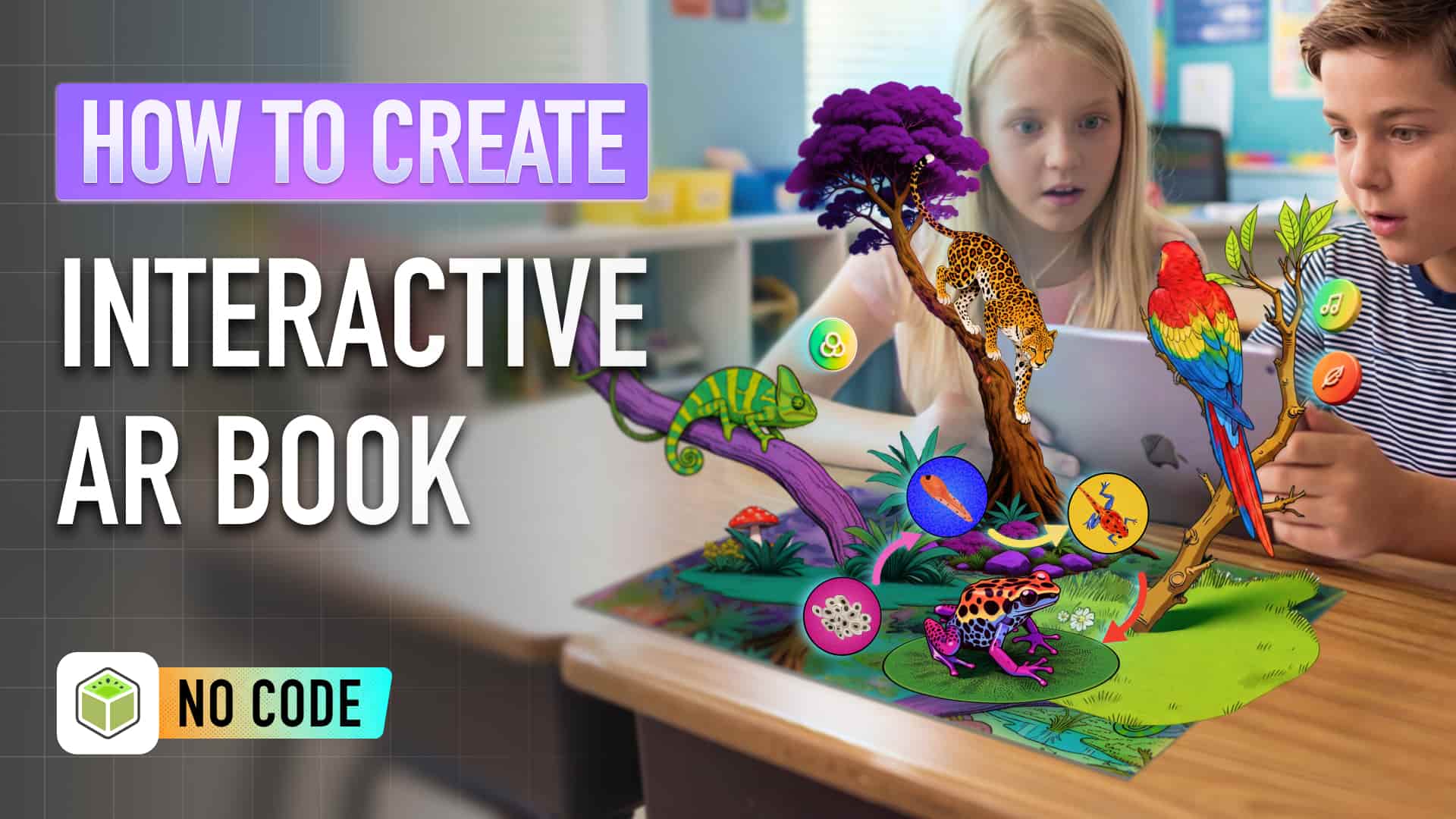
Interactive AR Books: How to Create WebAR Learning (No-Code)
Case 3: AR Virtual Try-On for DTC Brands
Traditional handmade 3D eyewear models either looked unrealistic with low-poly design, or came with oversized file sizes that slowed mobile page loading.
A fast-growing DTC eyewear brand upgraded its online shopping experience with Kivicube’s Gen AI capabilities.
The brand used Kivi AI to generate photorealistic 3D eyewear with physically based rendering (PBR) textures, perfectly replicating real acetate frames and lens reflections.
Kivicube’s built-in AI optimization kept all 3D assets under 2MB while maintaining premium visual quality.
Learn how Kivi AI can generate your eyewear 3D models and provide a seamless virtual try-on experience with Kivicube.
FAQ
Q: Is Gen AI AR only suitable for large enterprise brands?
A: Not at all. Platforms like Kivicube make professional AR creation accessible and affordable for small businesses, independent artists and educators.
Q: Do end users need to install a dedicated app to view the AR experience?
A: Kivicube focuses purely on WebAR. Your audience only needs to scan a QR code or open a shared link to interact with AR content in a standard mobile browser.
Q: How does AI improve overall AR performance?
A: Kivi AI automatically compresses 3D models, optimizes textures and balances visual quality and file size — ensuring smooth loading even on unstable mobile networks.
Conclusion
Gone are the days of technical barriers stymying AR development. Thanks to Kivicube's no-code workflow and Generative AI, anyone can quickly transform creative ideas into immersive AR experiences in just minutes.
Kivicube provides an easy, efficient method of creating an immersive AR experience - whether your goal is to elevate marketing campaigns, produce immersive art installations or revolutionize classroom learning.
Are you ready to embark on your Gen AI AR journey? Sign up with Kivicube today and create your first engaging experience free of charge.